
From bio-based materials to validated components
The BRILLIANT Demonstration Laboratory brings together the facilities and know-how of the project partners. Follow the path of a bio-based composite – from material development, through protective surface treatments, to accelerated ageing tests – and discover who does what through photos and videos recorded in the partners’ laboratories.
The BRILLIANT process
Click on a logo or a step to explore each laboratory.




FML
exposed natural fibre

Sol-Gel Spray Coating

protecting the fibres
protecting the component

Accelerated ageing
Scientific dissemination and communication of the project results
Active involvement of the industrial community to facilitate the adoption of sustainable, bio-composite solutions
ENEA-TEMAF · Materials Technology Laboratory, Faenza
At ENEA-TEMAF, BRILLIANT develops bio-based composites – made with natural fibres and/or bio-based resins – with increased durability and moisture resistance. Two families of materials are studied: Fiber Metal Laminates (FML), bio-based composites with an aluminium anti-osmotic barrier, and composites with exposed natural fibre for finishing applications in the automotive sector.
The short videos below take you inside the ENEA laboratories and pilot lines used in the project.
Thermo-calorimetric characterisation
A laboratory that is essential to the development of new bio-based composites. These techniques predict the maximum service temperature of a composite made with fibres or a matrix of natural origin, by identifying the glass transition temperature (Tg) – the point at which the polymer matrix softens. Above Tg, the component loses its structural properties.
Hot-pressing pilot line
Up to 220 °C and two square metres of working area. Studied in BRILLIANT as the most promising technique for bringing bio-based composites into mass production, such as automotive: 5–10 minutes per component, compared with 6 hours for autoclave production.
Tension filament-winding pilot line
Studied in BRILLIANT as the most promising technique for using bio-based composites in demanding environments such as construction, as an alternative to steel rebar. The outer winding protects the inner layers from degradation in humid environments, acting as an anti-osmotic barrier.
Nanoprom Chemicals · Contribution to BRILLIANT
Within BRILLIANT, Nanoprom contributed to the development of surface protection systems for the new bio-based composite materials, providing expertise in coating design, deposition process development and surface characterisation. Activities included material assessment, coating development, optimisation of the deposition processes and preparation of the samples for the subsequent validation activities.
Exposed natural-fibre composites
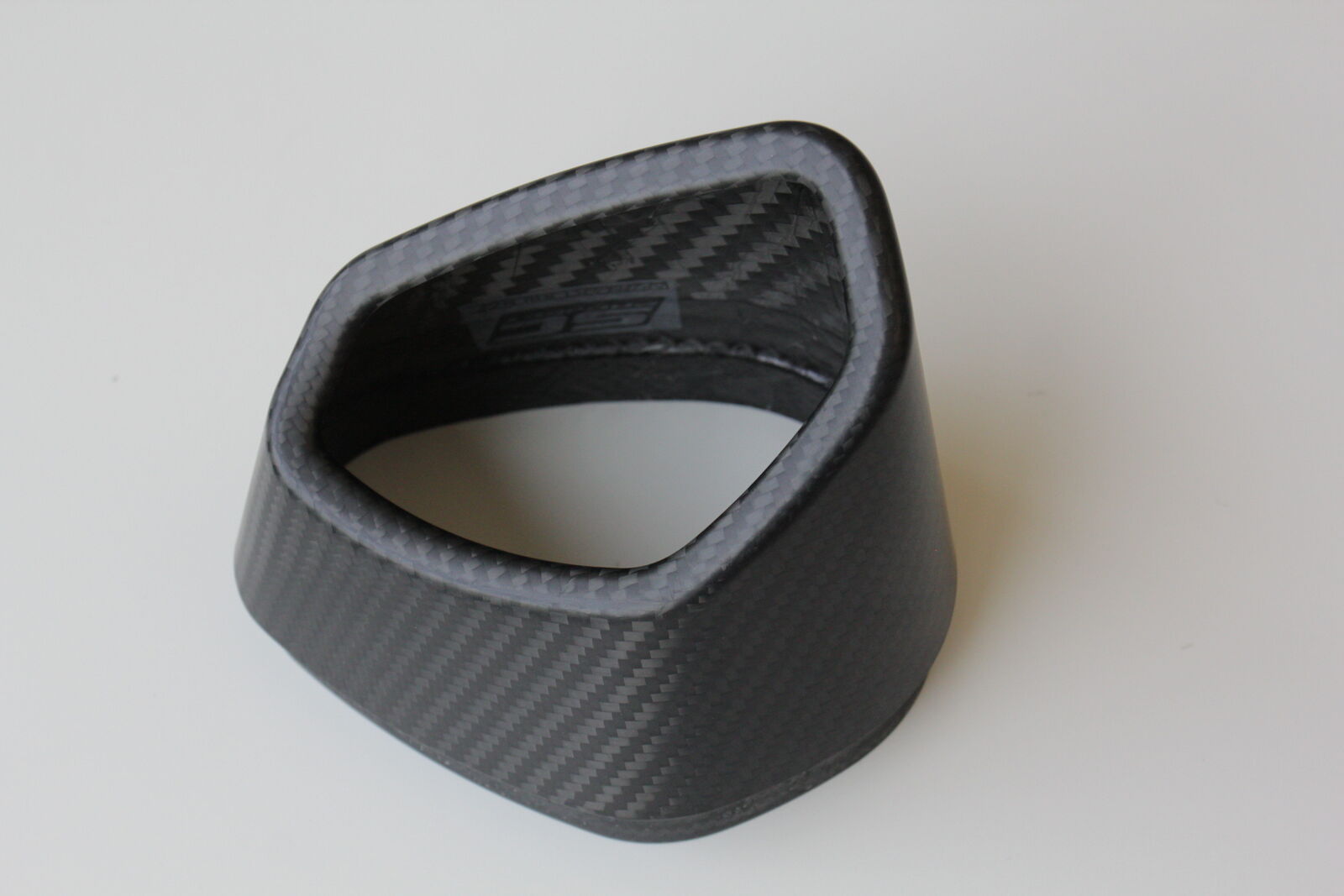
For composites with exposed natural fibre, the goal was to develop a surface protection system able to increase the durability of the material and improve its moisture resistance, while preserving the aesthetic appearance of the natural fibre.
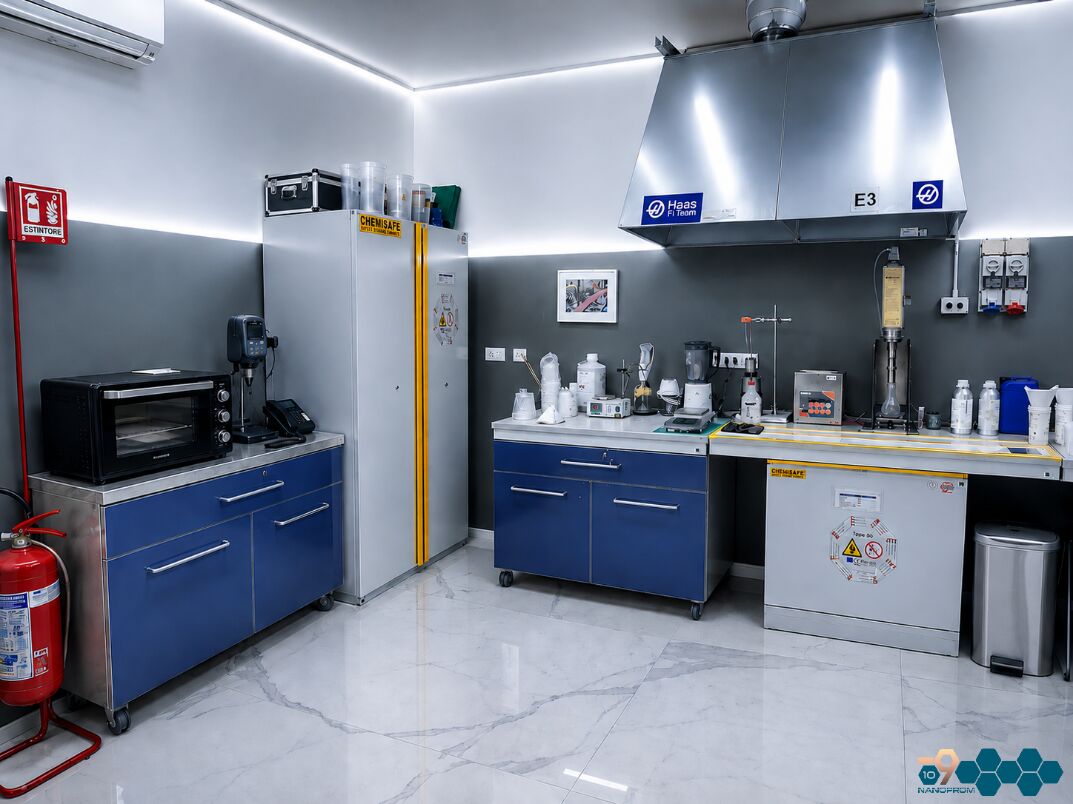
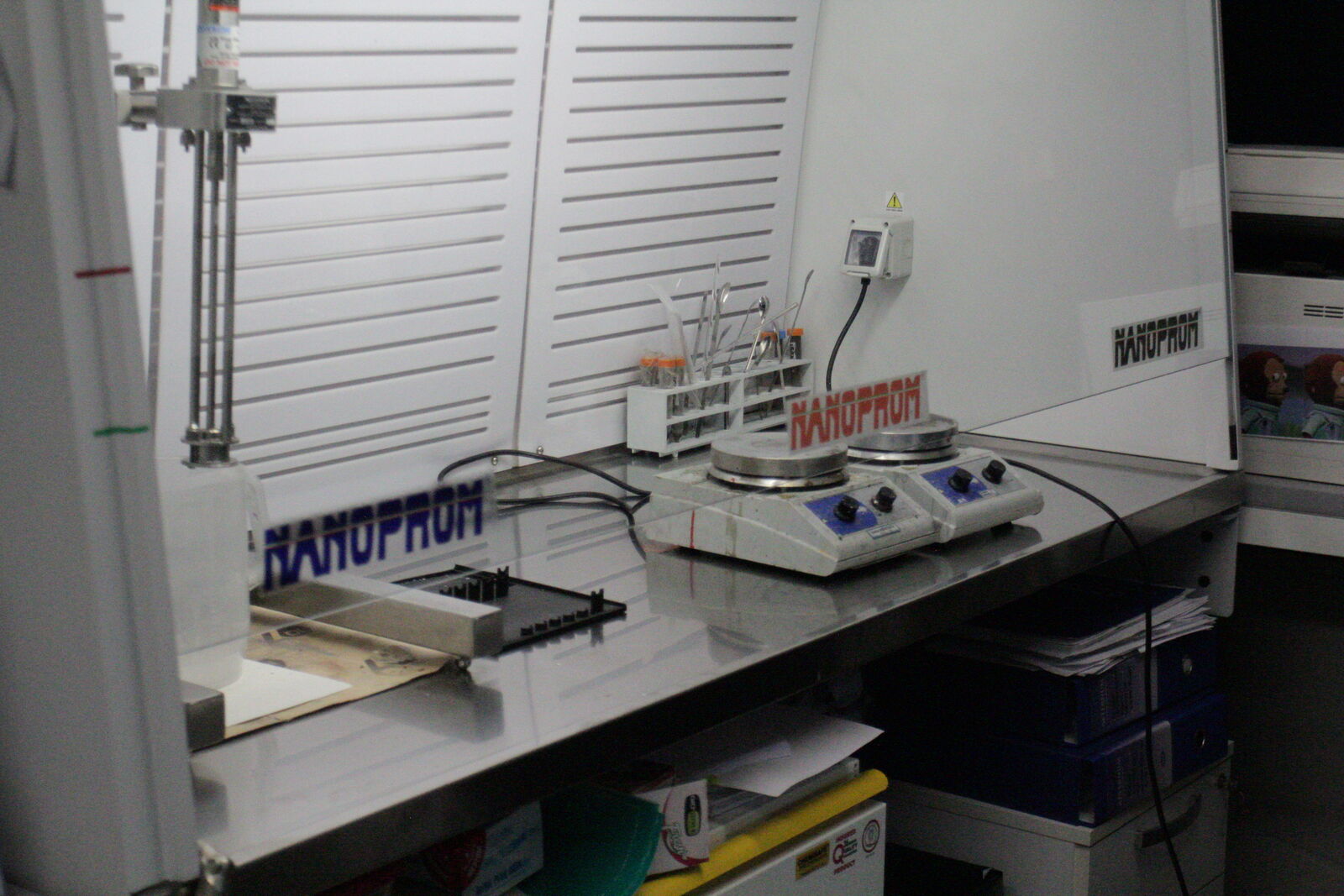
A technical feasibility study on the project materials identified the most suitable solution. The focus was on flax, selected for the characteristics of its fibre and its textile properties, which make it more compatible with the coating system than the other natural fibres analysed. A dedicated coating was then developed and fine-tuned in the Nanoprom laboratories using controlled mixing systems, giving customised formulations with accurate control of the key process parameters and high reproducibility.
Fiber Metal Laminates (FML)
The feasibility study was also extended to Fiber Metal Laminates, to identify the most suitable coating for protecting aluminium from corrosion while remaining compatible with the composite structure of the laminate. Formulations were developed and optimised according to the specific needs of the material and the performance required by the application.
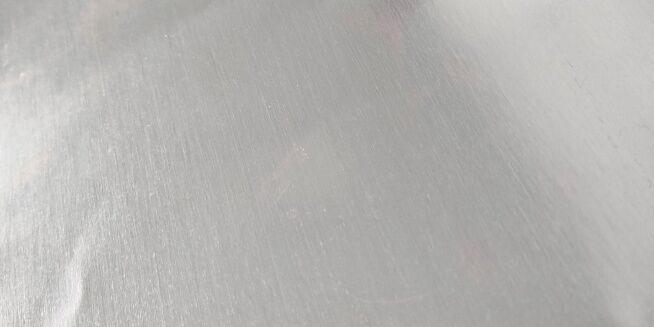
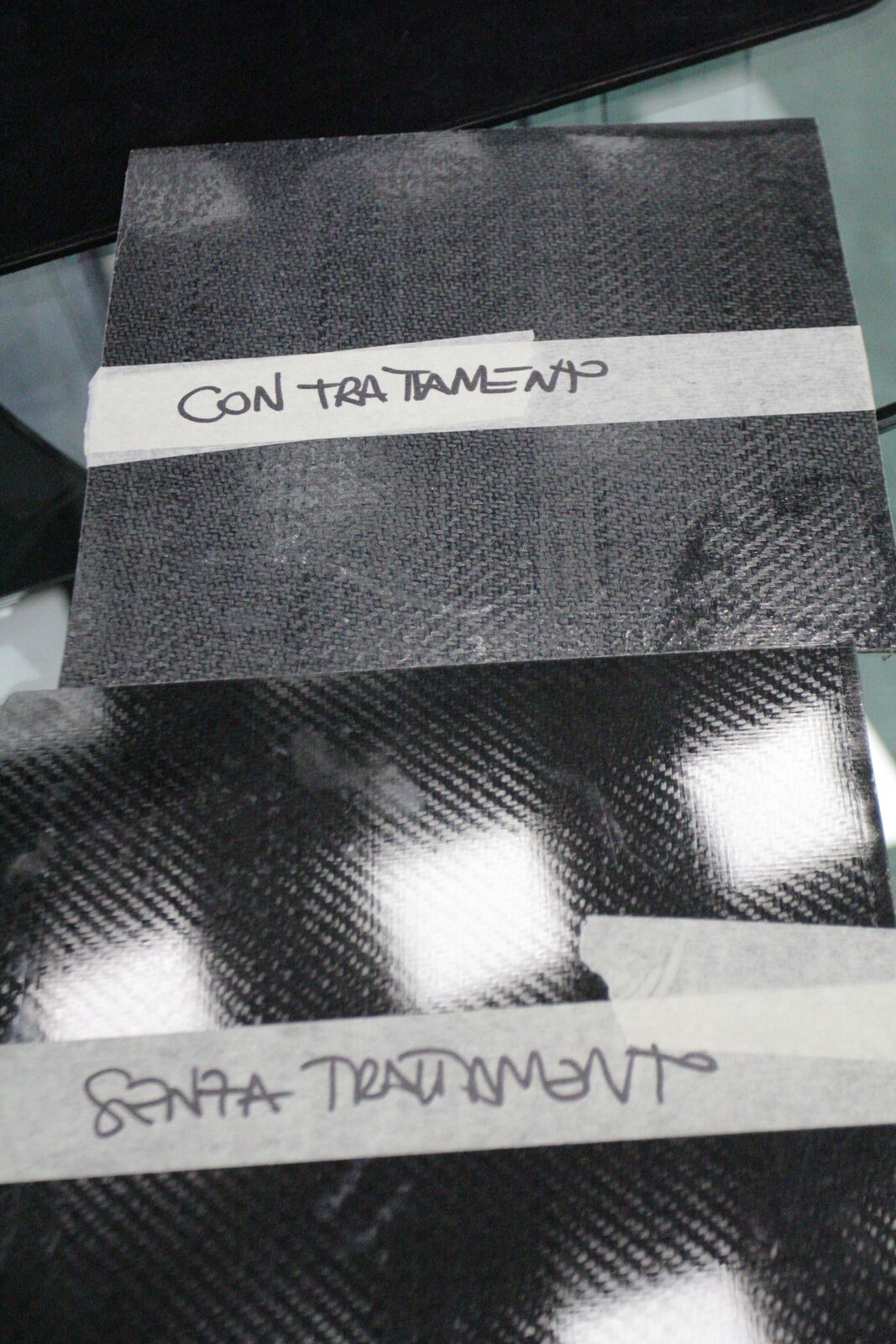
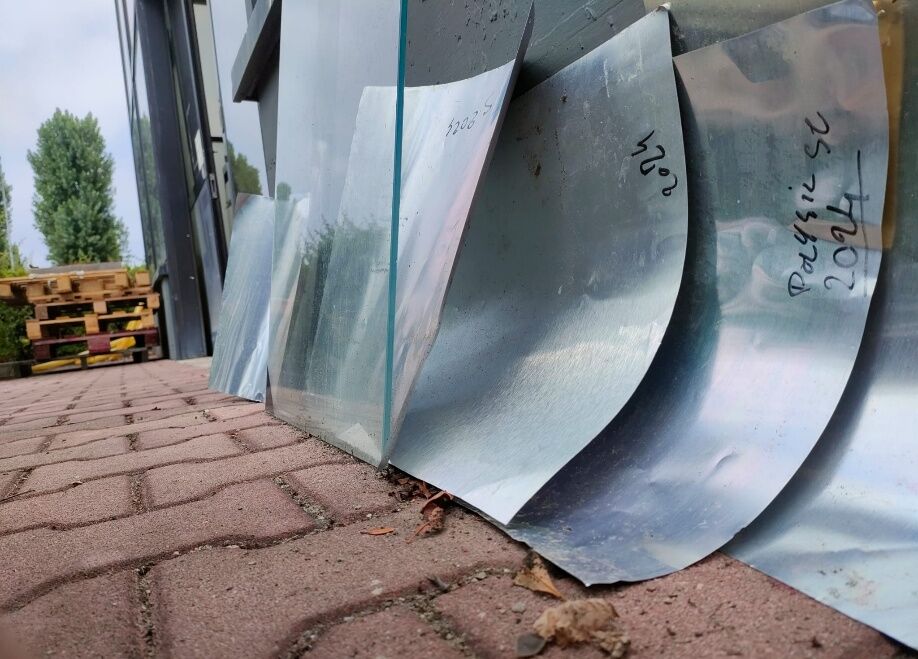
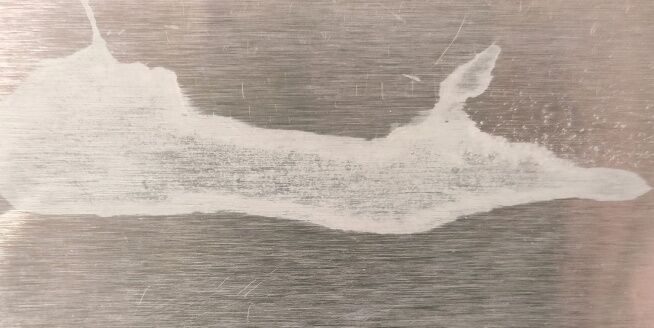
The images compare aluminium surfaces treated with the Nanoprom coating and untreated surfaces after 3 years of outdoor exposure.
Robotic deposition process
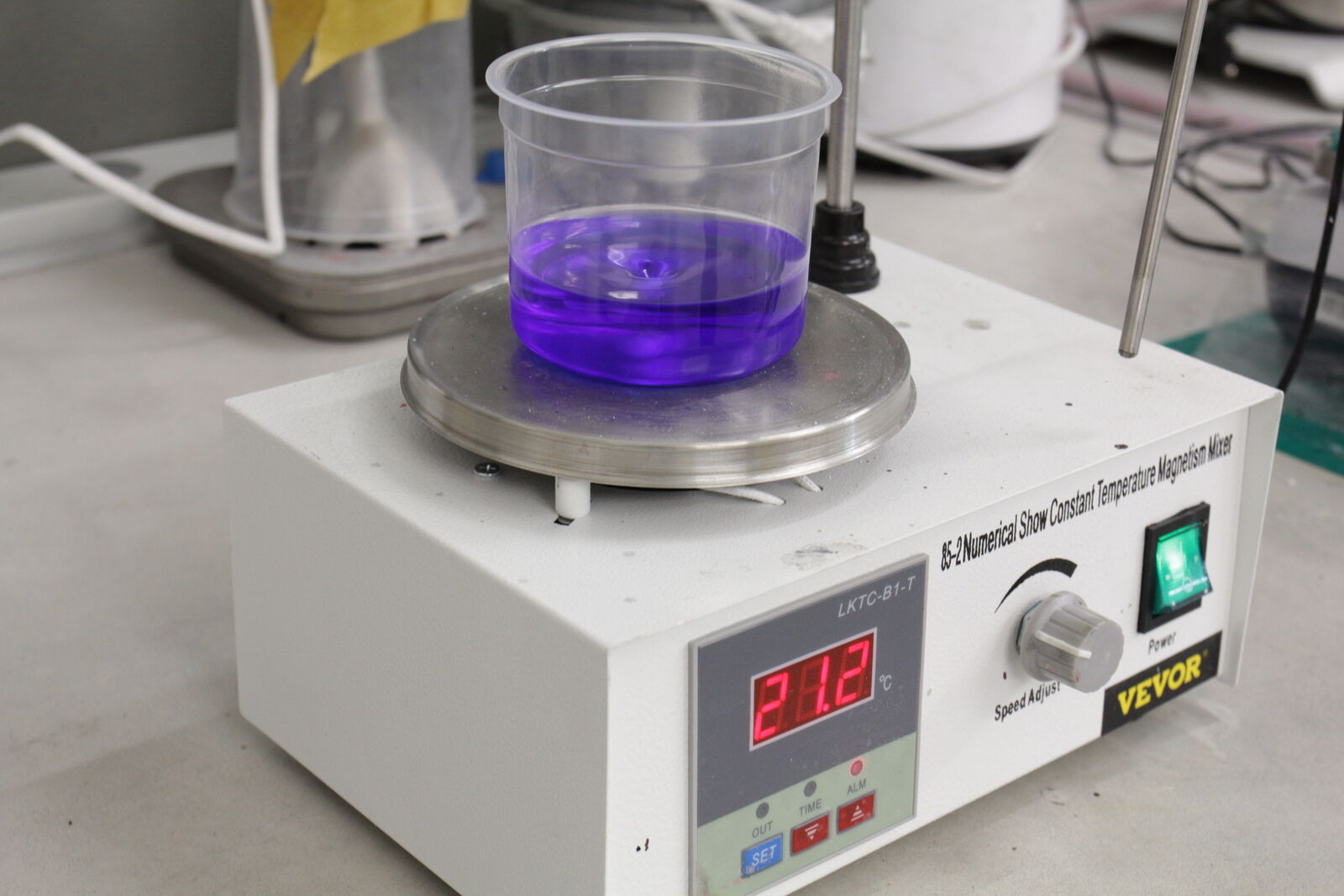
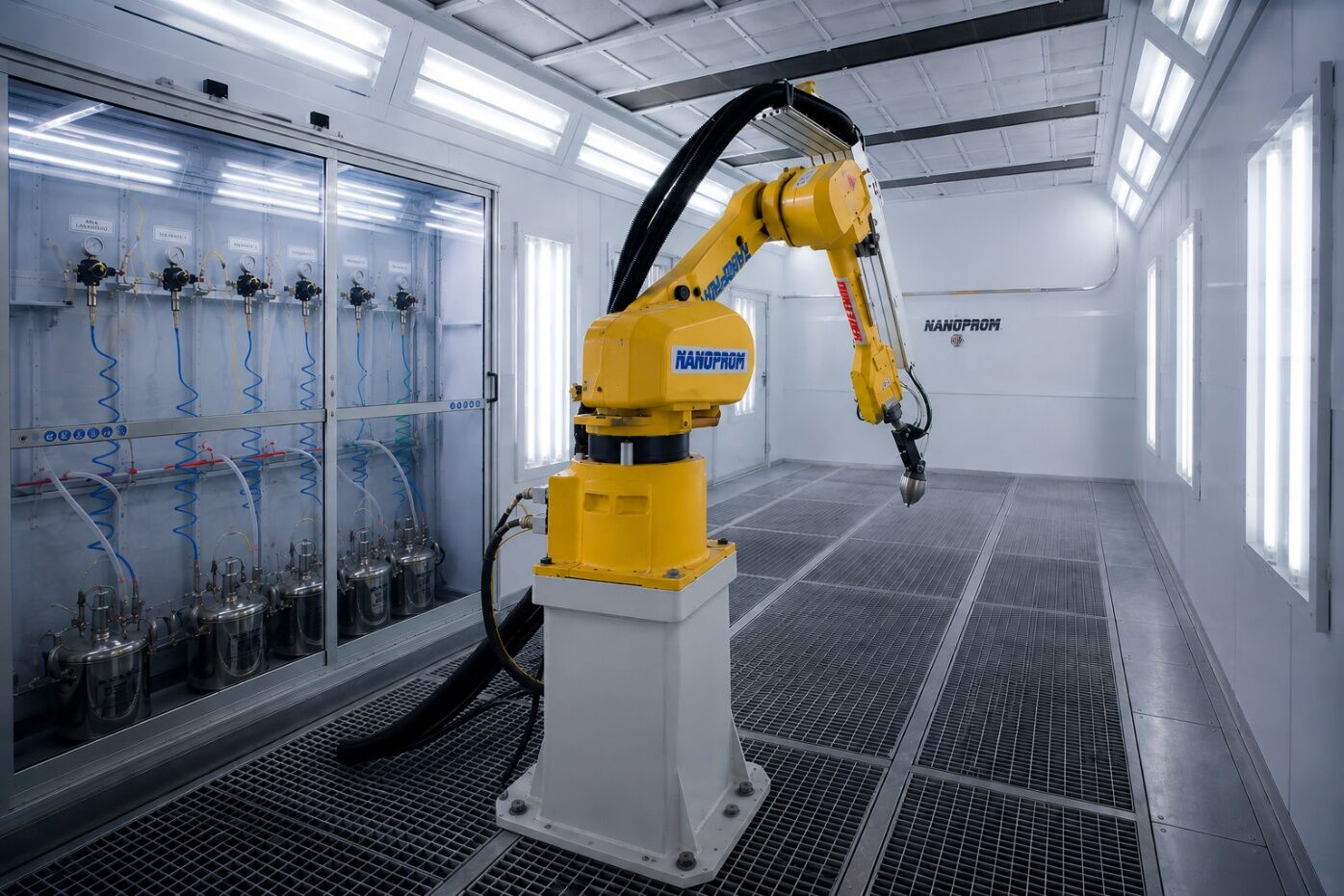
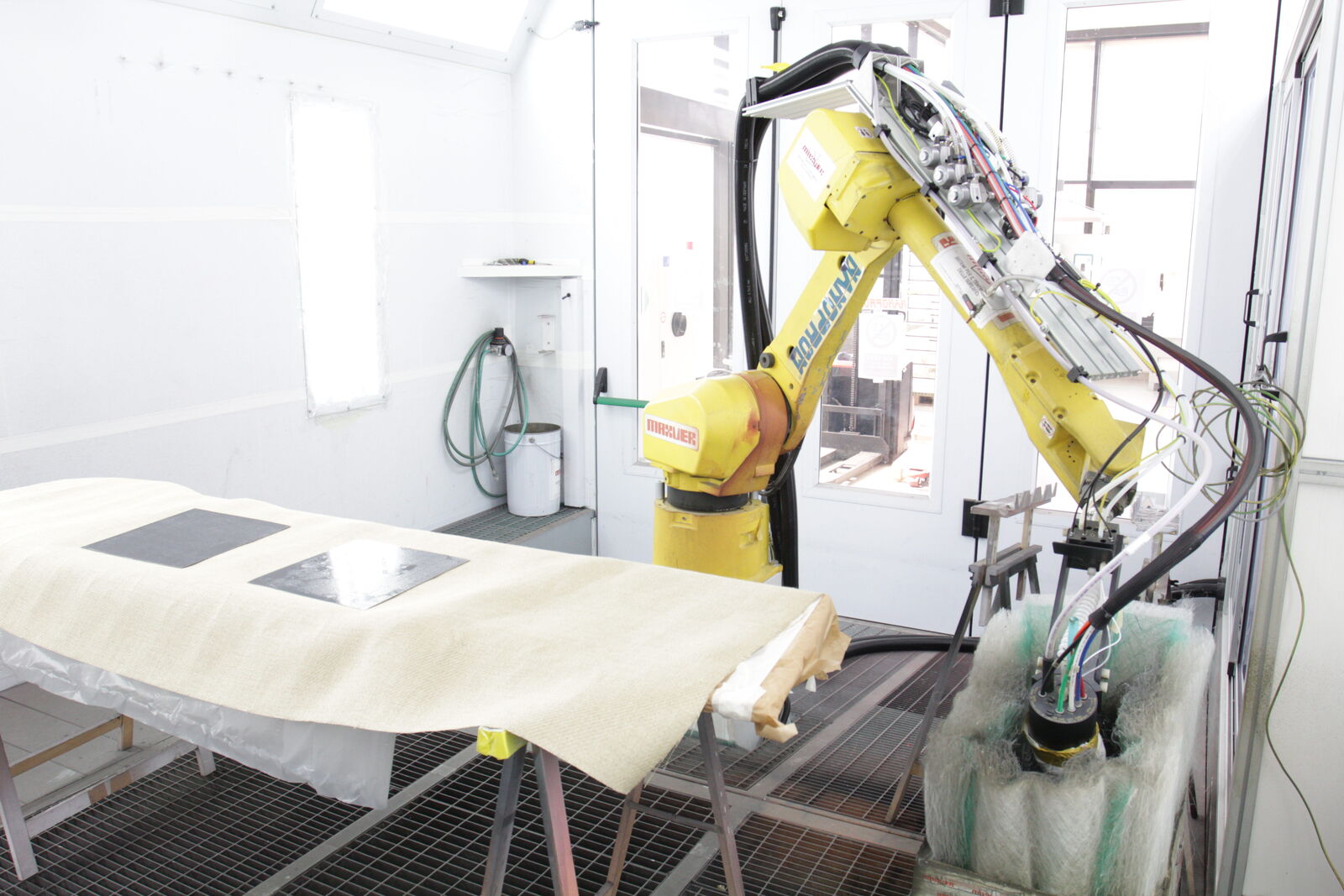
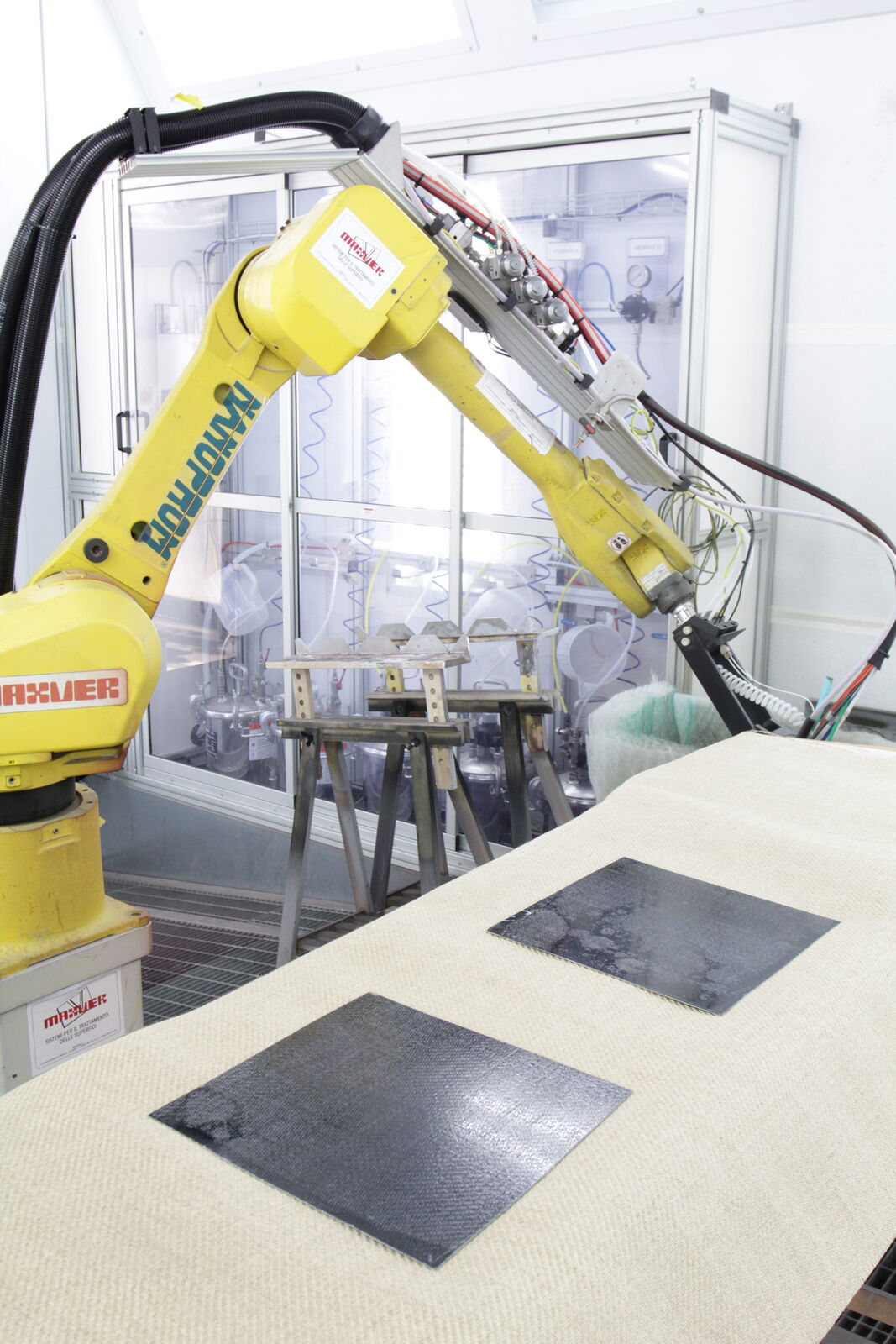
Once the formulations were defined, the work focused on setting up the coating deposition process. Application was carried out in-house at Nanoprom with a robotic electrostatic spraying system, which made it possible to control the main application parameters, obtain a highly uniform film and ensure process repeatability.
This deposition strategy produced representative samples, reduced operator-dependent variability and supports the future transfer of the technology to industrial applications.
Surface characterisation
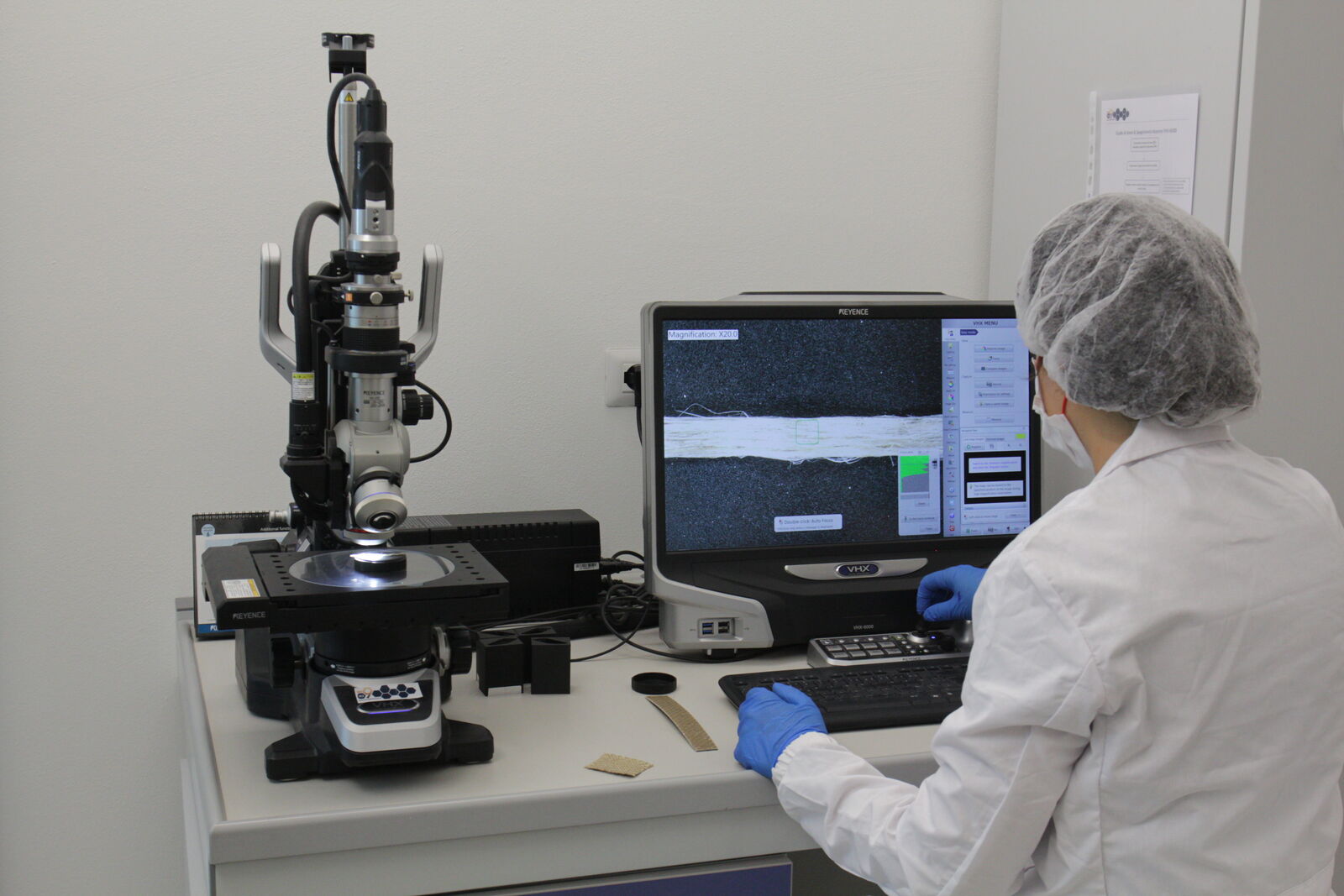
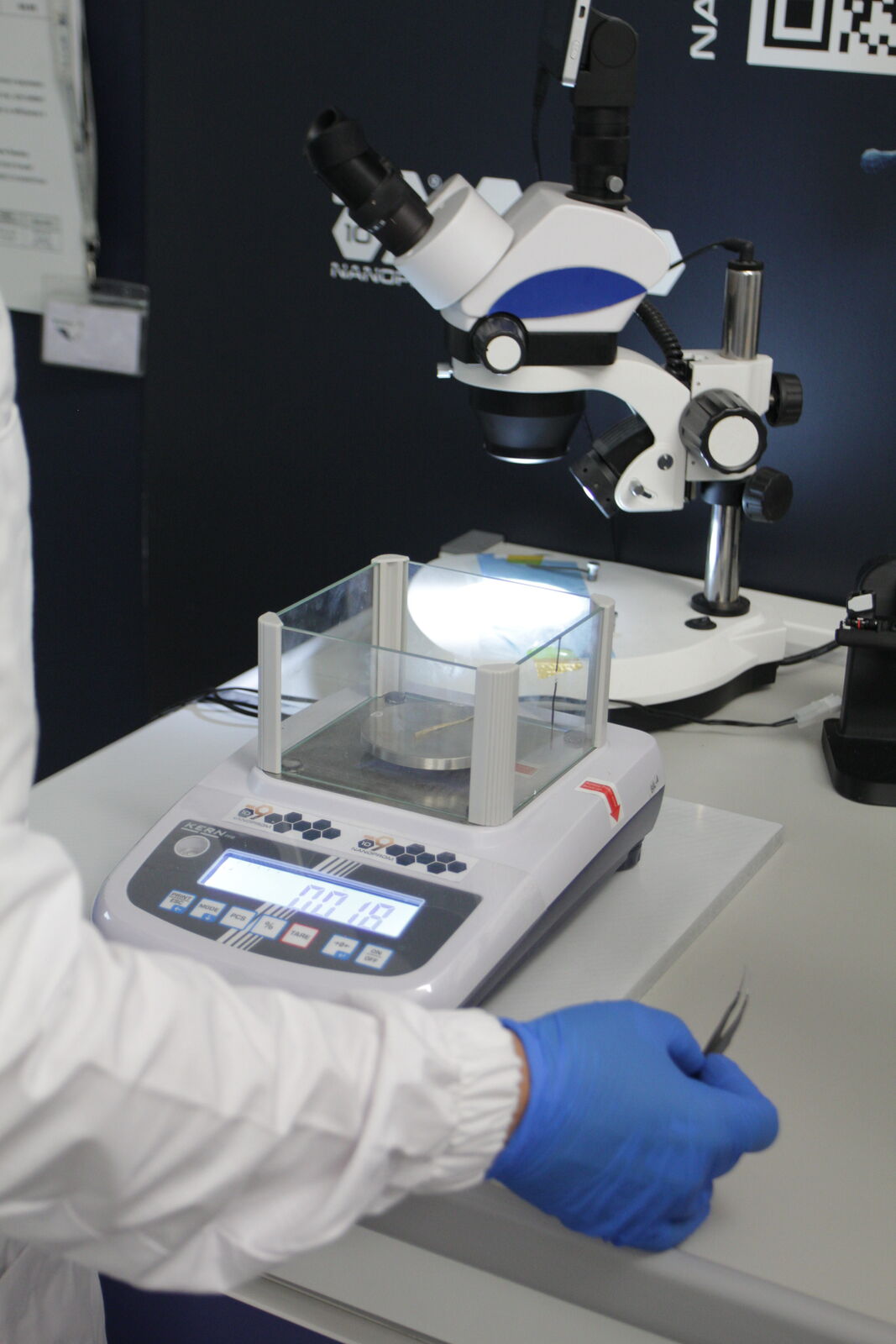
Characterisation in the Nanoprom laboratories accompanied the whole development path. Using instruments dedicated to surface analysis and high-resolution digital microscopy, the team assessed coating quality, surface morphology and the interaction between coating and substrate.
The results verified the effectiveness of the solutions developed and supported their optimisation in the subsequent validation phases of the project.
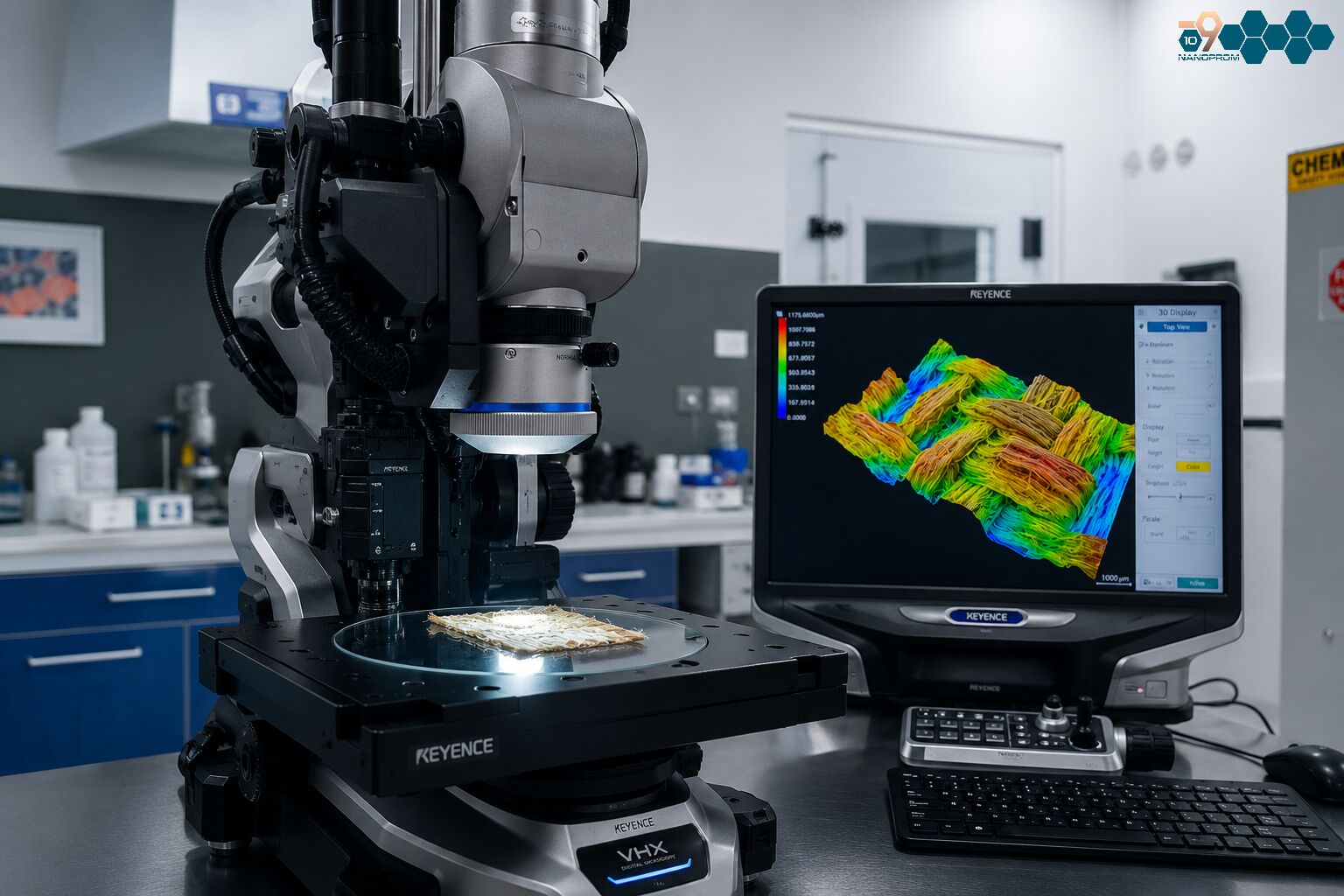
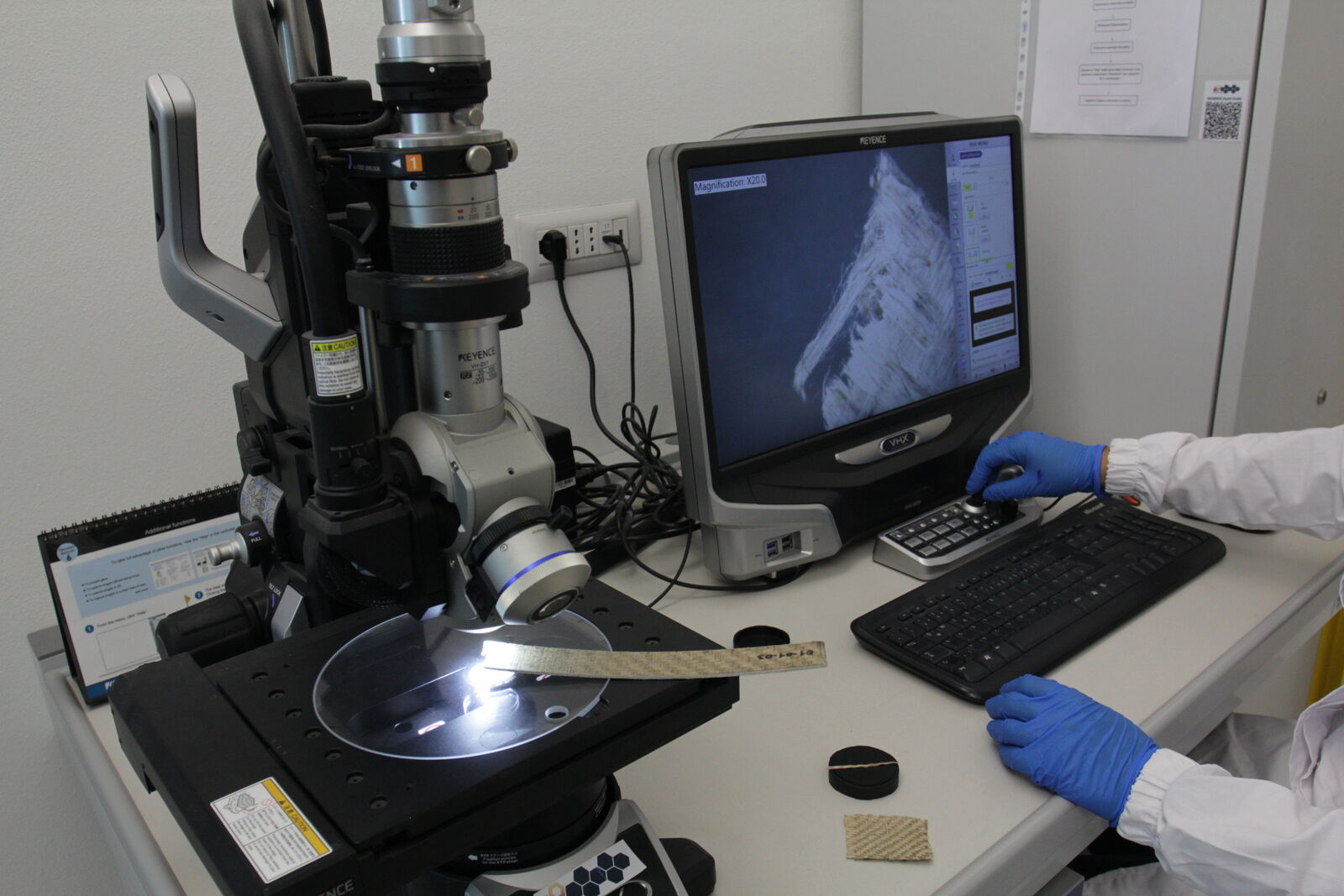
Photo gallery
Certimac · Testing and validation
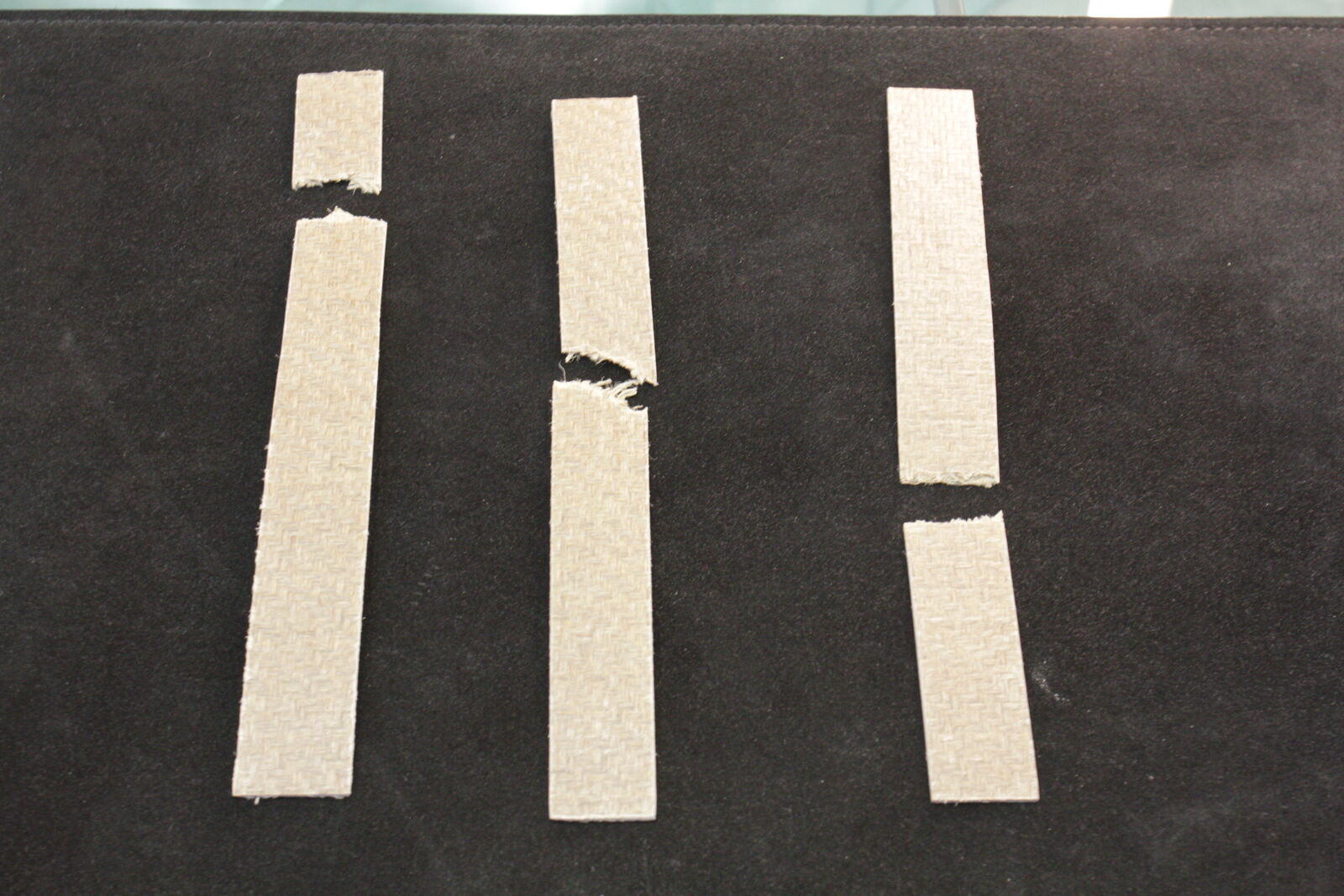
Within BRILLIANT, Certimac is responsible for testing and validation. The bio-based composites developed by the partnership undergo accelerated ageing tests and mechanical characterisation campaigns to assess how exposure to environmental agents affects their performance and reliability.
The goal is not only to measure material properties, but to produce objective data that support design choices, guide the optimisation of the solutions developed and help spread increasingly sustainable and durable innovative materials.
Environmental & Durability Testing Laboratory
Accelerated ageing tests, neutral salt spray (NSS) and humidity exposure
Visit the laboratoryMechanical Testing Laboratory
Characterisation and study of performance degradation after ageing
Visit the laboratory